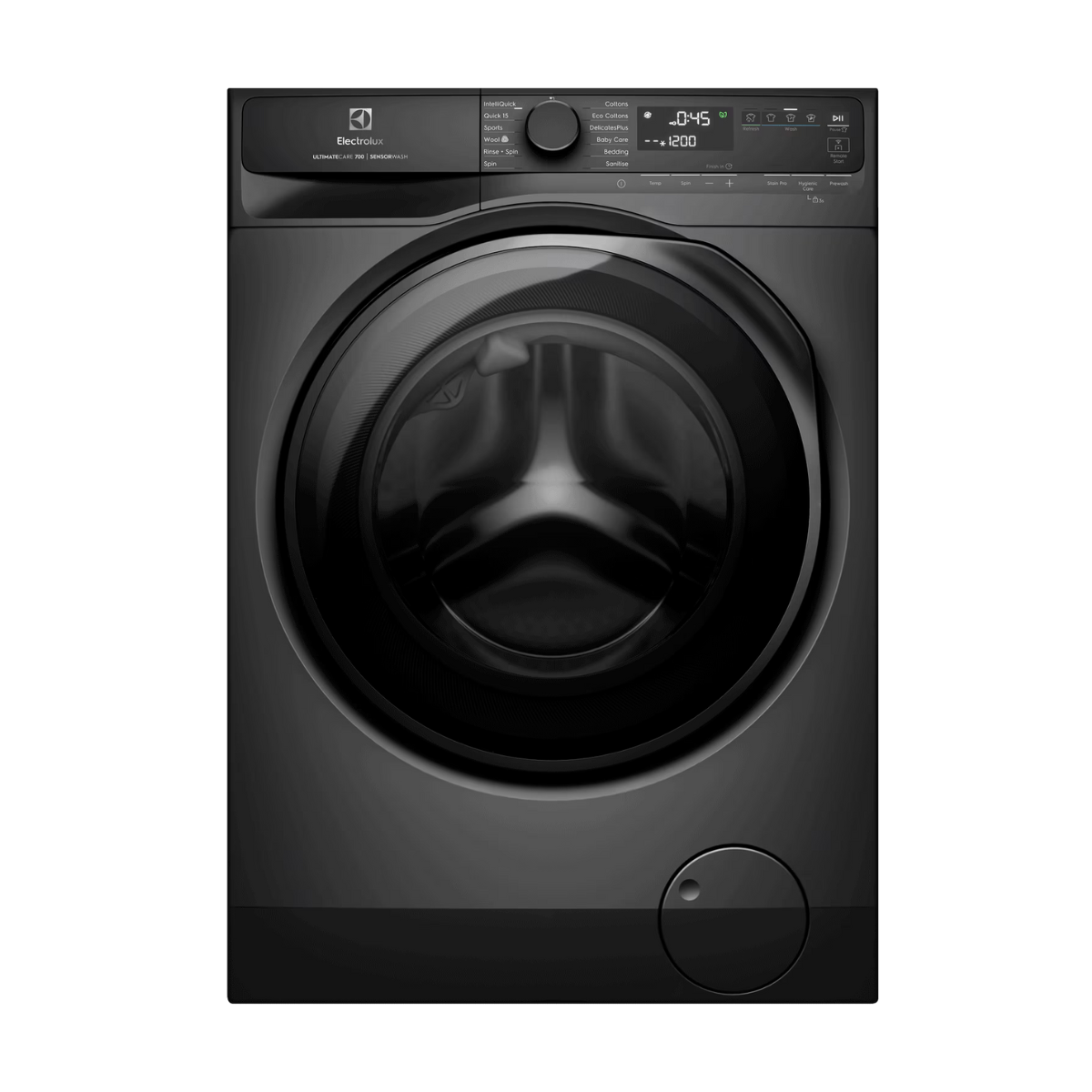



11/7kg Electrolux UltimateCare 700 Washer Dryer
Designed to simplify laundry while keeping your clothes fresh and protected. With intelligent care technology and energy efficiency, it’s the perfect all-in-one solution for modern homes.
SensorWash helps remove up to 53 stains.
King-sized duvet* treated and dried in 60 mins.
DelicatesPlus provides gentle care for delicates.



Best Sellers
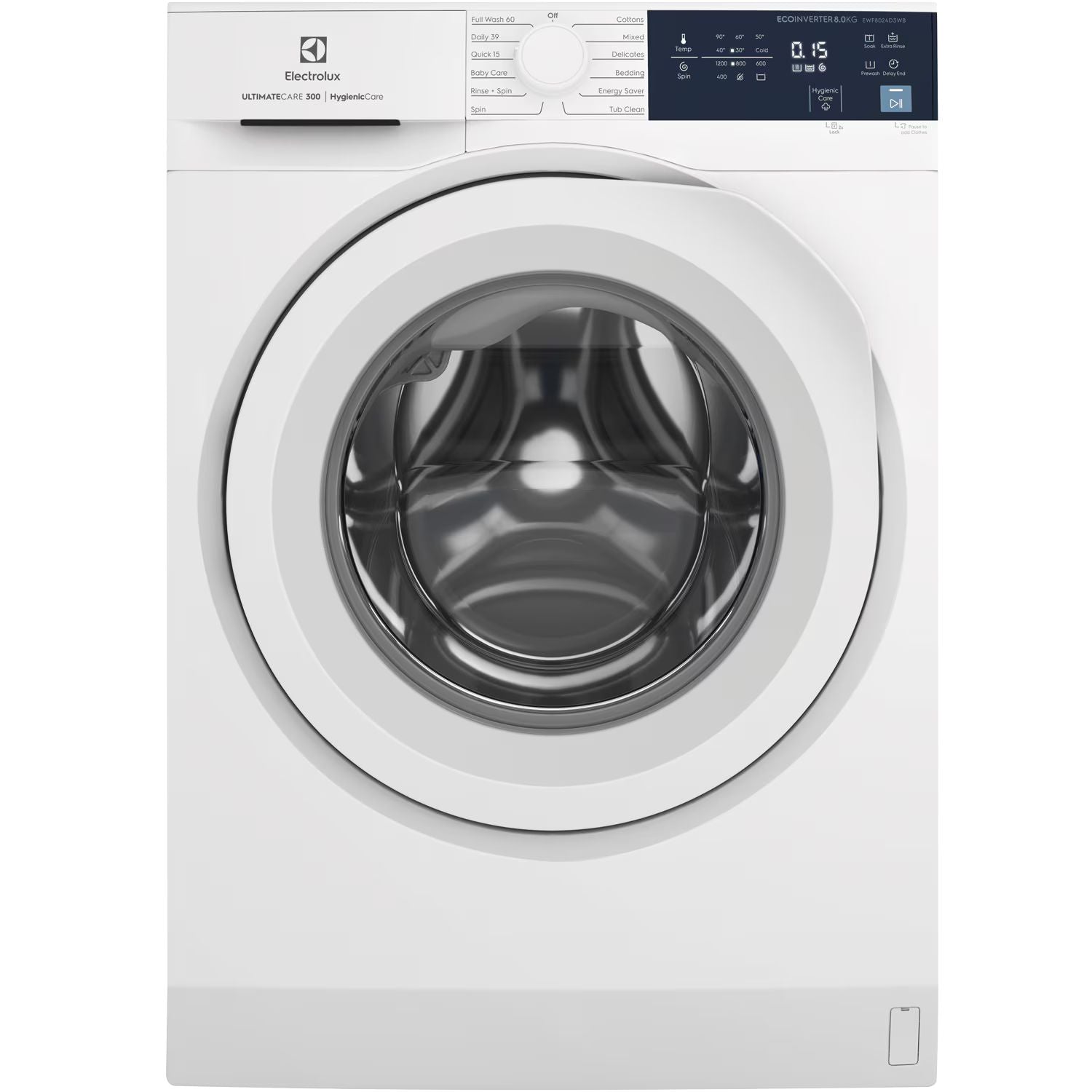
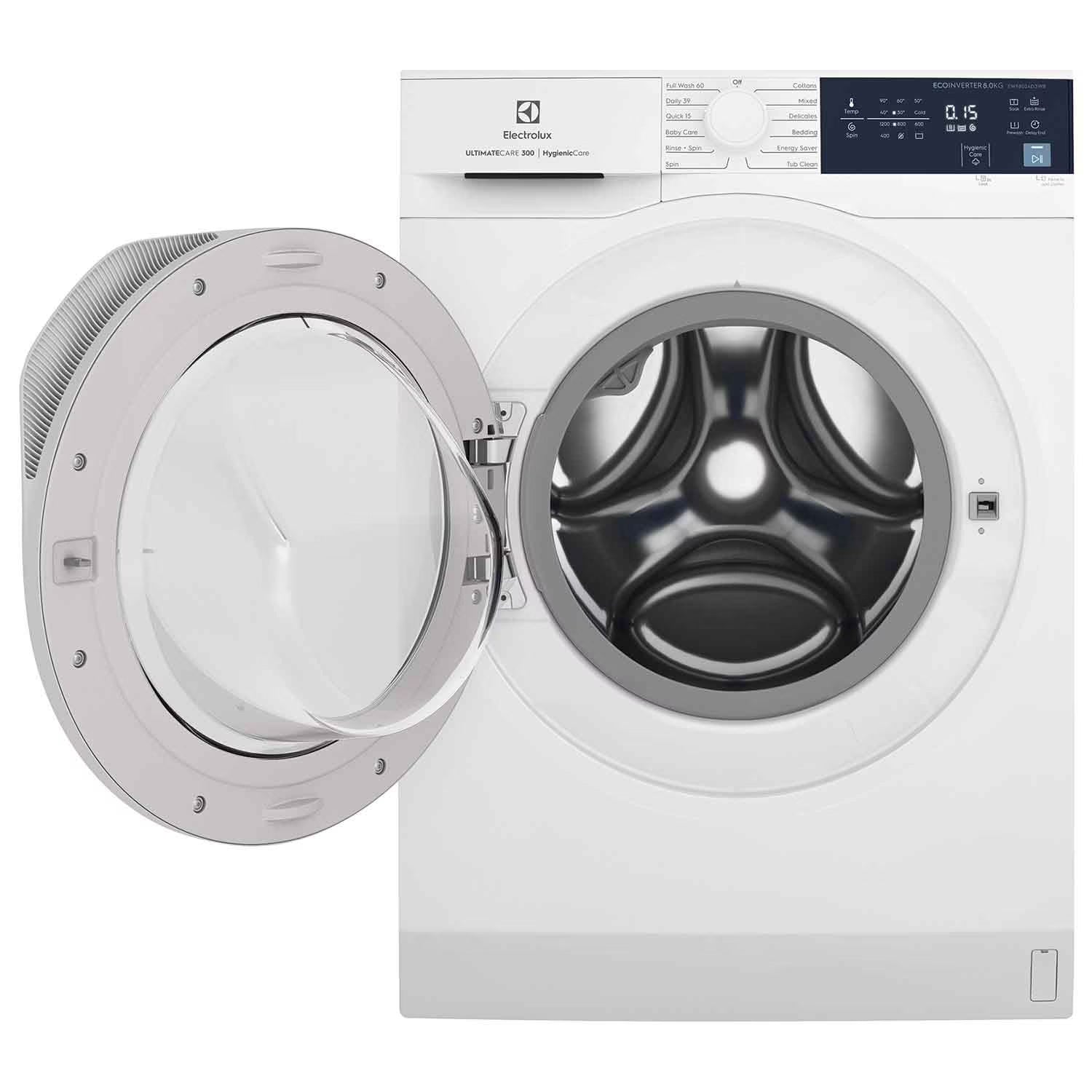
Electrolux EWF8024D3WB - 8kg Front Load Washer
Choose your option
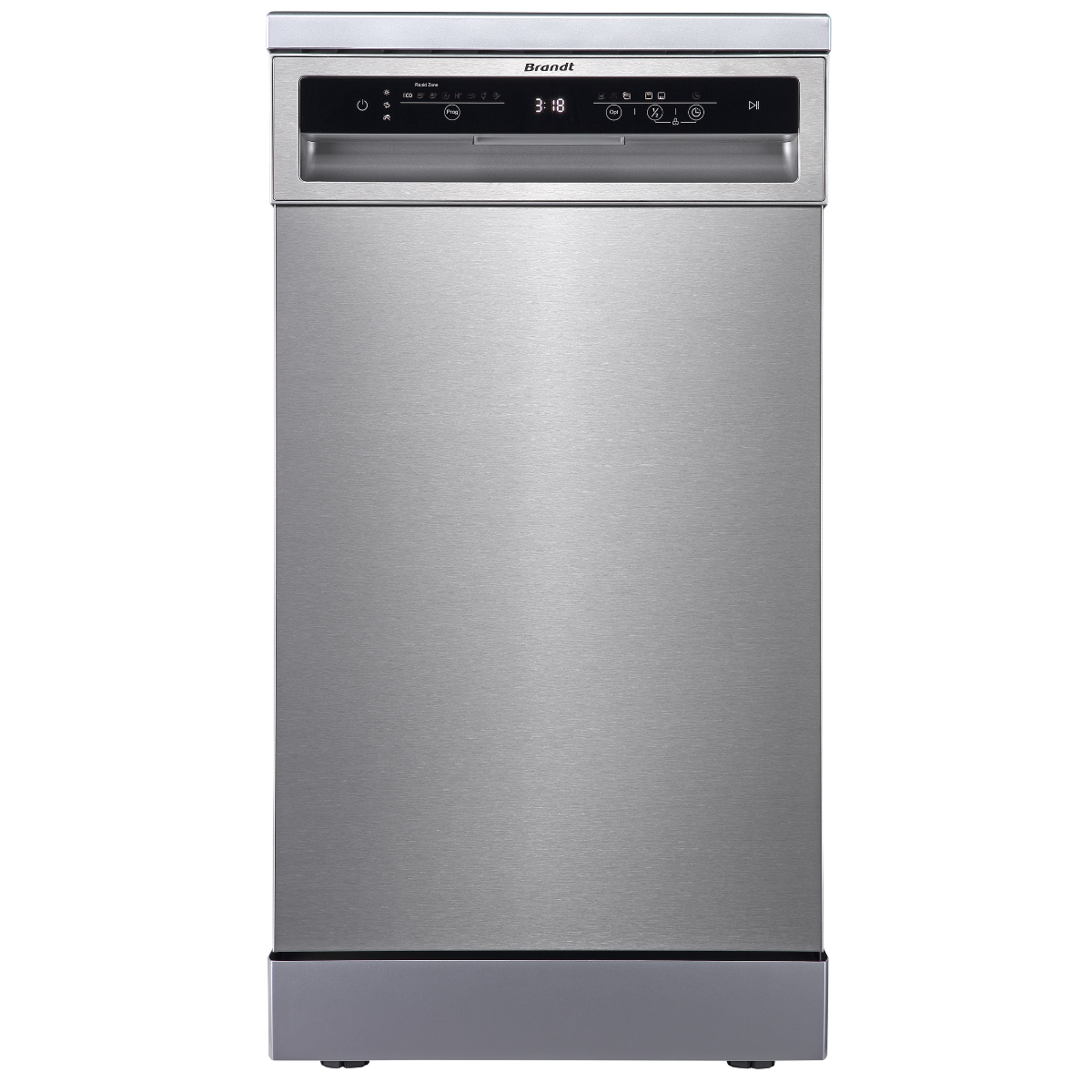
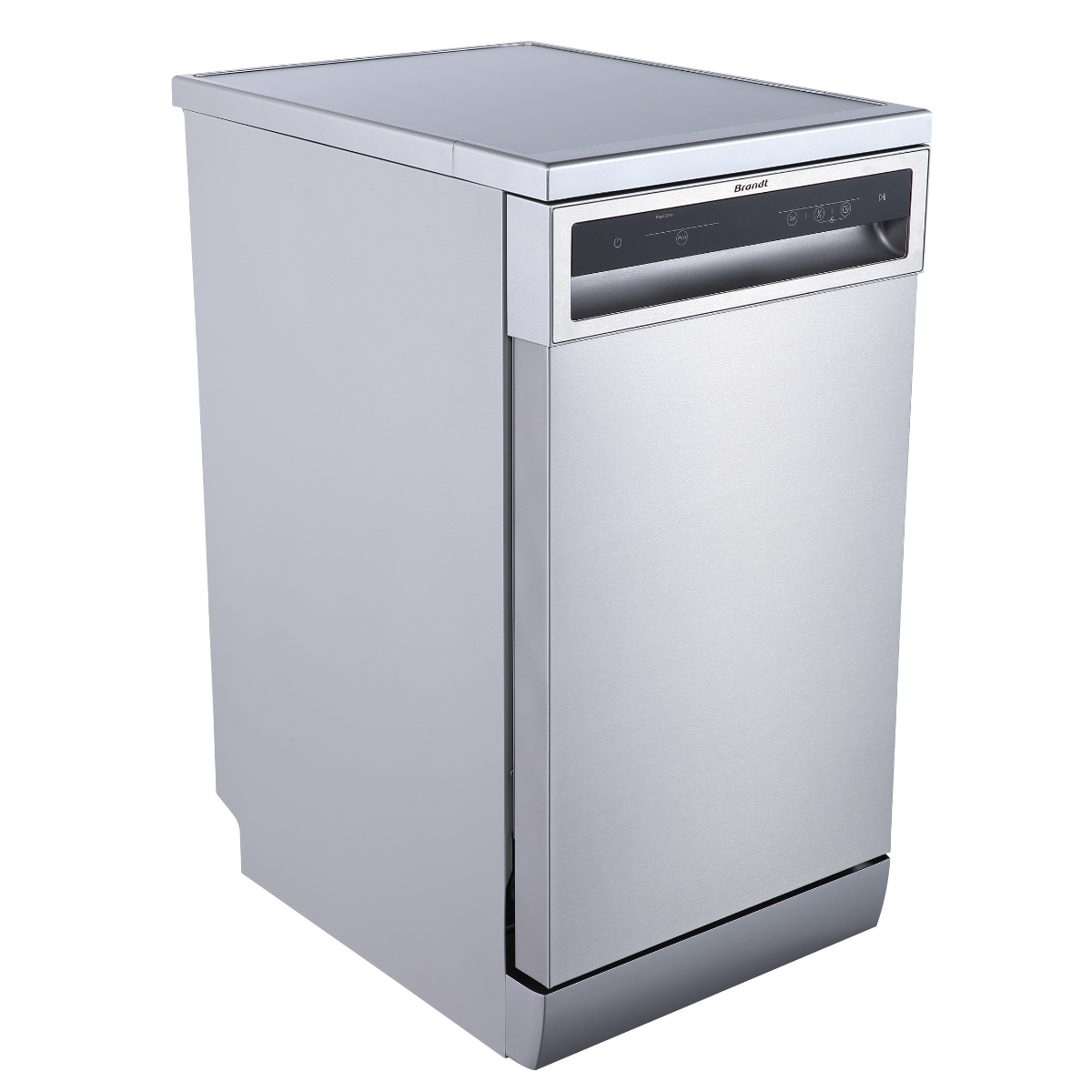
Brandt BDF3024DX - 45cm Free Standing Dishwasher
Choose your option


LG FB1209S6M - 9kg Front Load Washer
Choose your option

Blutron Micro 7K
Choose your option


EuropAce By Otimmo EDY5801B - 8kg Front Load Dryer
Choose your option
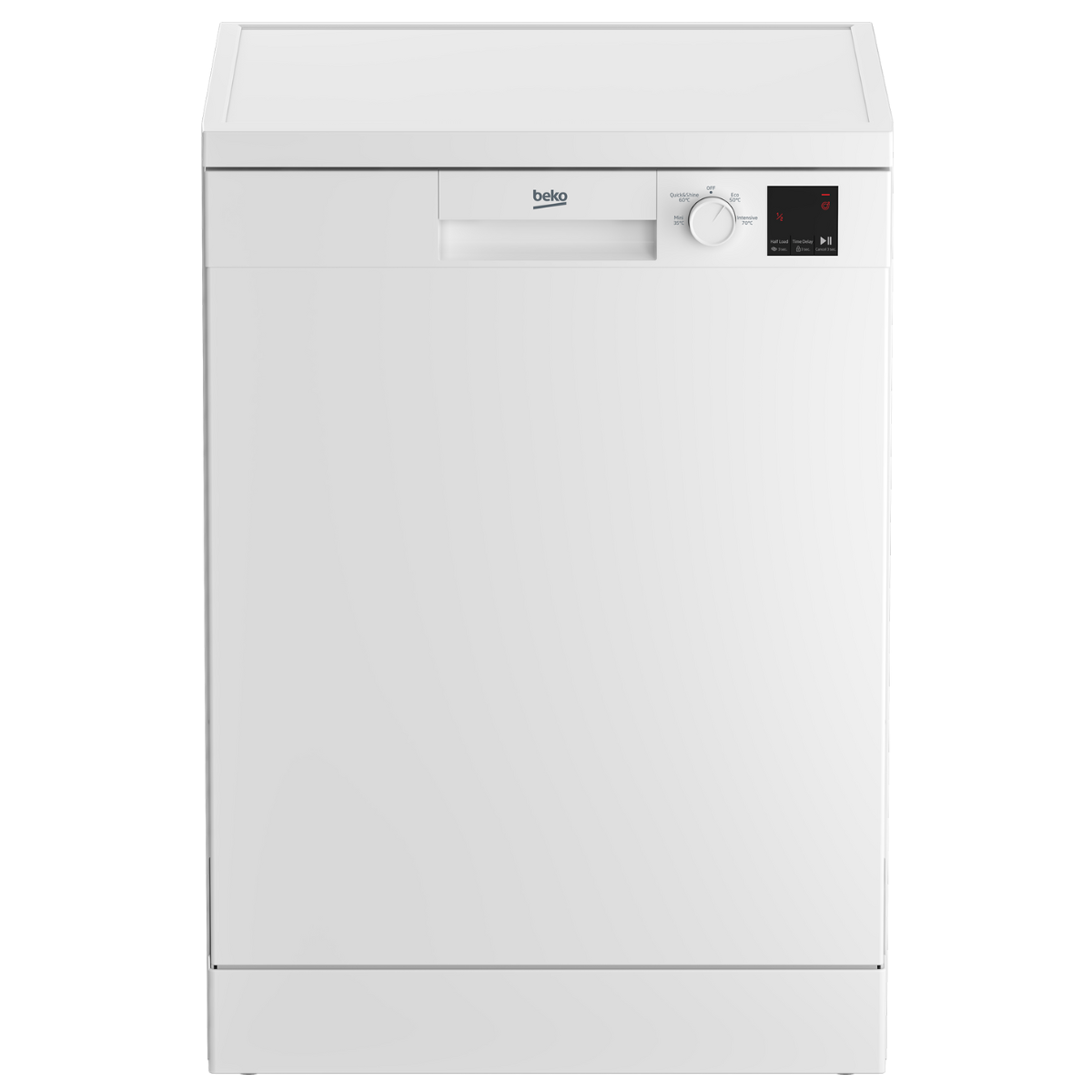
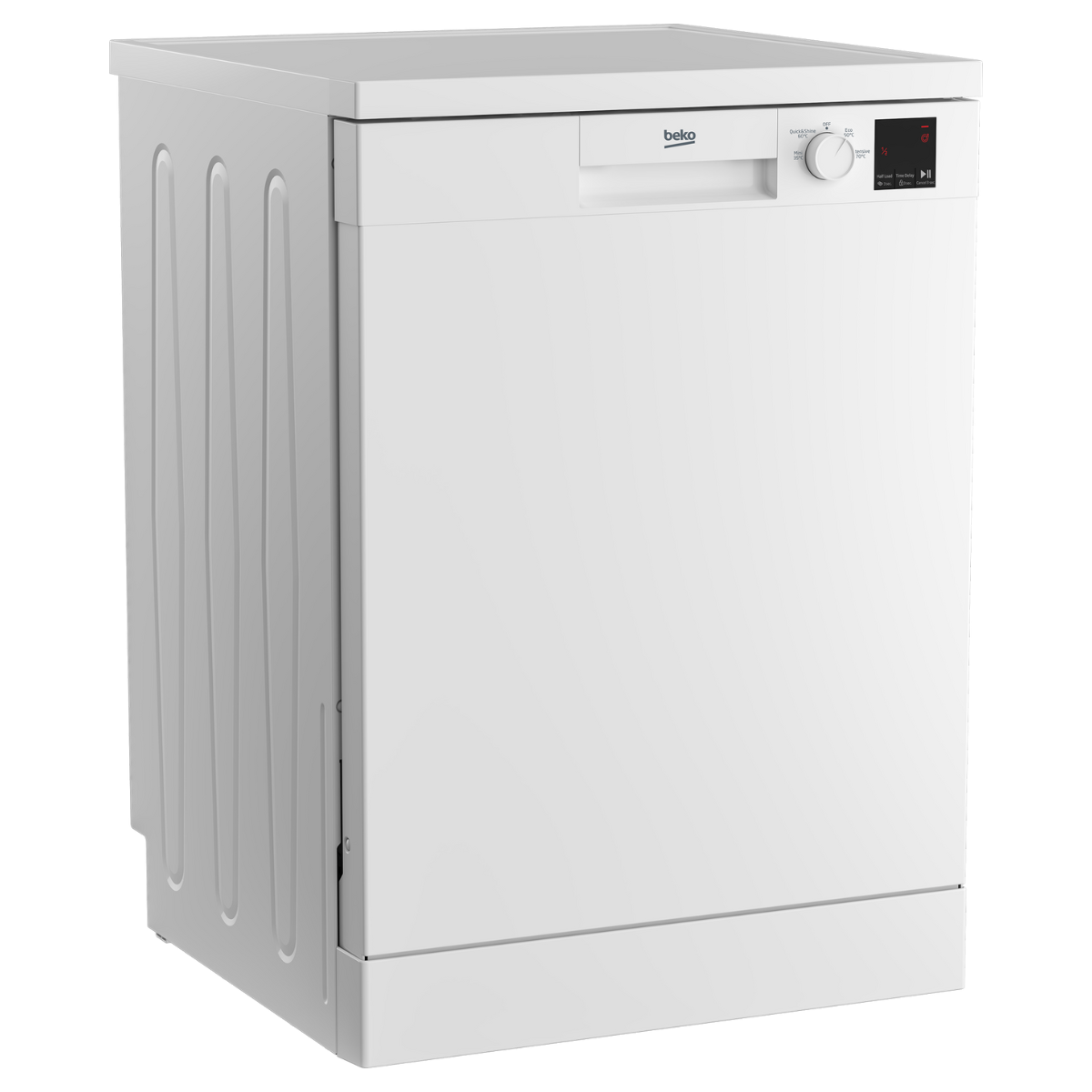
Beko DVN04X20W 60cm Freestanding Dishwasher White
Choose your option


Electrolux EFC3862MS 55cm Freestanding Dishwasher 2 Ticks
Choose your option
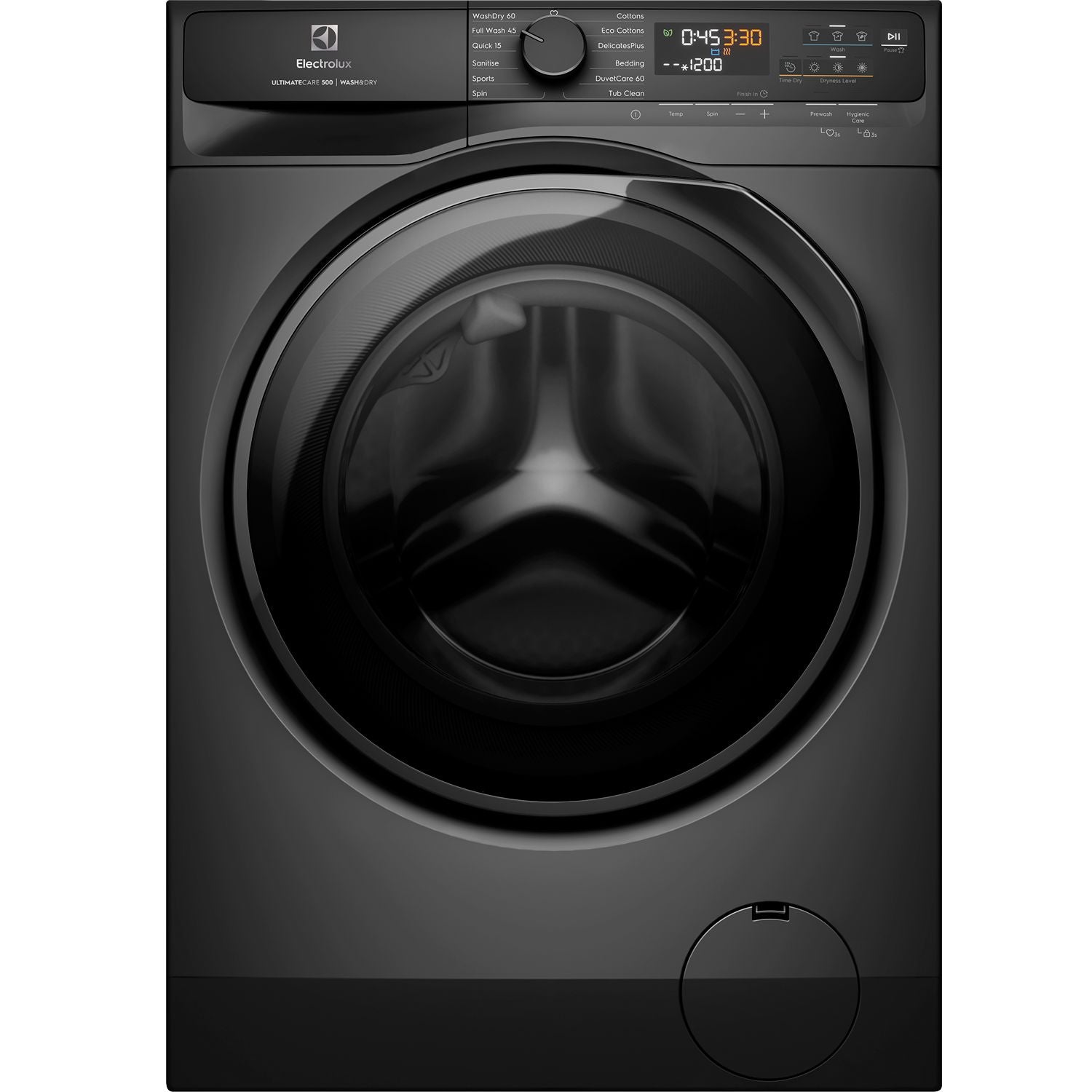
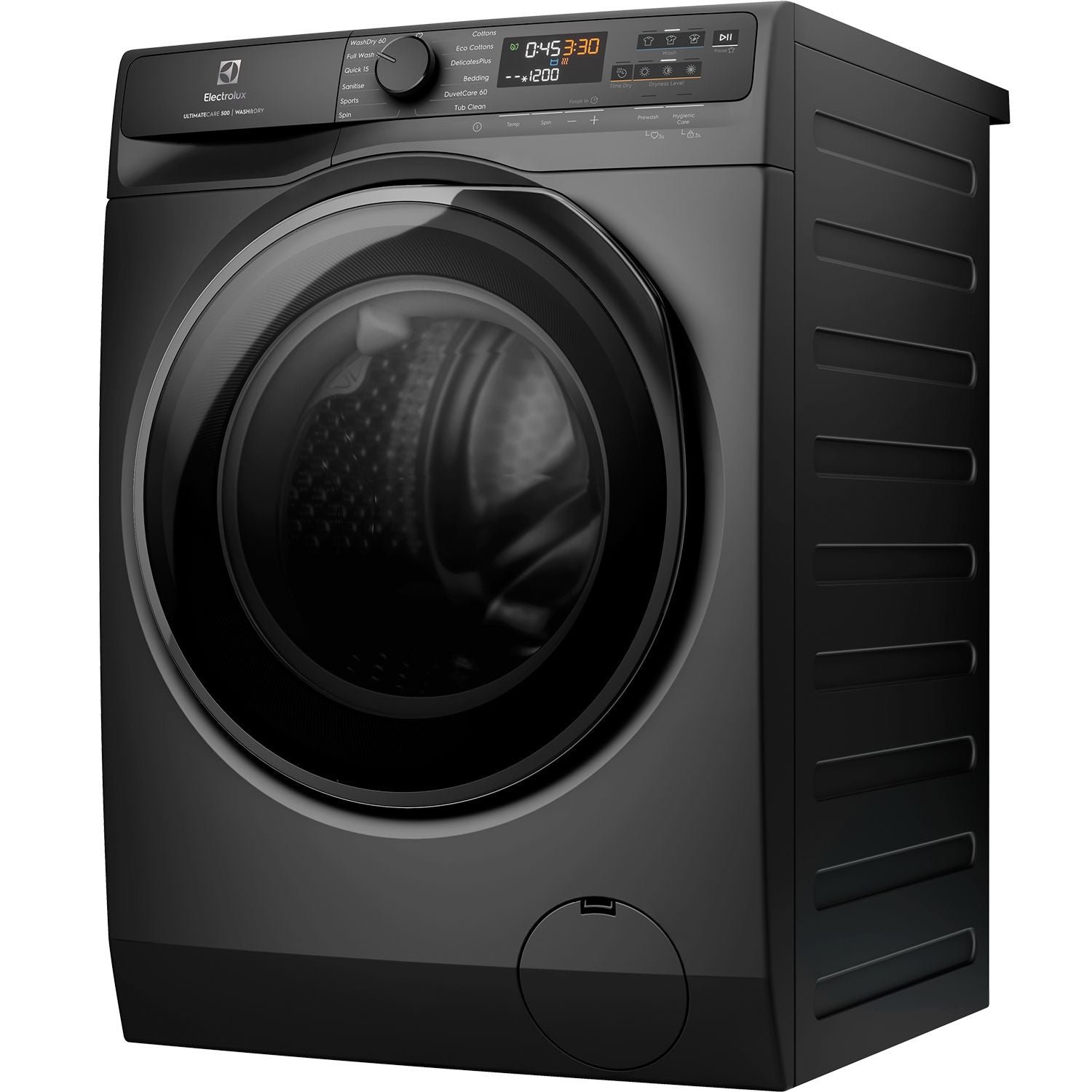
Electrolux EWW1023P5SC 10/7kg Front Load Washer Dryer
Choose your option
Discover the Appliances SG Family





Blog posts

2-in-1 Washer Dryer or Separate Stacked Units? The Singapore Homeowner's Guide
It's one of the most common appliance dilemmas for Singapore homeowners — especially BTO buyers fitting out a utility room for the first time: do you go with a single 2-in-1 washer dryer combo, or invest in separate washing machine and dryer units stacked on top of each other? Both options fit into a tight utility room. Both wash and dry your clothes. But they are fundamentally different machines — and the wrong choice can mean years of frustration with damp laundry, long cycle times, or a dryer sitting unused because it can't keep up with your load. Here's a practical, no-fluff breakdown of both options so you can make the right call for your home and lifestyle. What's the Difference? 2-in-1 Washer Dryer Combo A 2-in-1 washer dryer is a single front-loading machine that both washes and dries in one drum. You load your laundry once, set a combined wash-and-dry cycle, and come back to dry clothes — no manual transfer required. Most combos on the Singapore market have a wash capacity of 8–10kg but a significantly lower dry capacity of 5–6kg. That discrepancy is important and is the root of most complaints about combo machines. Stacked Separate Units A stacked setup means buying a standalone front-load washing machine and a separate dryer, then using a stacking kit to mount the dryer directly on top of the washer. The two units share the same floor footprint as a single machine — roughly 60cm wide — but are taller. This is common in Singapore utility rooms where floor space is limited but ceiling height allows for stacking (typically 160–185cm combined). Both machines operate independently, at full capacity. Space: They're More Similar Than You Think This is the first thing people assume separates the two options — but the difference is smaller than expected. A typical front-load washing machine is 60cm wide × 60cm deep × 85cm tall. A standard dryer is similar in width and depth but slightly shorter (~85cm). Stacked, the combined height is typically 165–175cm — tall, but within the ceiling clearance of most Singapore utility rooms and HDB service yards. A 2-in-1 combo is the same width and depth (60cm × 60cm) and roughly the same height as a single machine (~85–90cm), so it sits lower. If your utility space has low overhead clearance, or if you want counter space above the machine for a folding shelf, the combo wins on height. The honest verdict on space: Very tight utility rooms or low ceilings → slight edge to the combo Standard HDB service yards with normal ceiling height → stacked units fit fine Floor space is identical either way Performance: Where the Real Gap Shows Up Washing Performance Both options wash equally well. Washing technology in front-loaders is mature and consistent across brands — whether it's a standalone washer or the washer half of a combo, the wash cycle quality at equivalent settings is comparable. Drying Performance — The Critical Difference This is where the two options diverge significantly, and it's the most important factor for most buyers. 2-in-1 combos use condensation drying — the drum heats air, tumbles clothes, and condenses moisture back into water that drains away. It's slower, gentler, and more energy-intensive than vented or heat pump drying. A full dry cycle in a combo typically takes 2–3 hours on top of the wash cycle, meaning a combined wash-and-dry can run 4–5 hours in total. Crucially, the dry capacity is always lower than the wash capacity. A machine rated 8kg wash / 5kg dry means if you wash a full 8kg load, you either: Split it into two dry cycles (adding 2–3 more hours), or Accept that clothes come out slightly damp and need air-drying to finish In Singapore's humidity, "slightly damp" clothing left in a closed utility room or on a rack will smell within hours. Separate dryers — particularly heat pump dryers — are a different category of performance entirely. Heat pump dryers recirculate heated air, extract moisture efficiently, and dry a full load in 45–75 minutes. They're gentler on fabrics than condenser drying, significantly more energy-efficient, and can handle the full wash capacity of your washer without a mismatch. The workflow is also more flexible: while the dryer runs, you can start the next wash cycle — effectively running two processes simultaneously and halving your total laundry time. 2-in-1 Combo Stacked Separate Units Wash capacity 8–10kg 8–12kg Dry capacity 5–6kg (always lower) 8–10kg (matches washer) Combined cycle time 4–5 hours 1–1.5 hours wash + 45–75 min dry Simultaneous wash + dry ❌ No ✅ Yes Drying method Condensation Heat pump or condenser Drying performance Moderate Excellent Cost: Upfront vs. Long-Term Upfront Cost A mid-range 2-in-1 combo costs between SGD $1,200 and $2,500 depending on brand and capacity. A stacked setup — a decent front-load washer plus a heat pump dryer and stacking kit — typically runs SGD $1,800 to $3,500 in total. You're buying two machines, so the upfront cost is higher. However, entry-level condenser dryers (non-heat pump) can bring the stacked total down to the SGD $1,400–$2,200 range, making the price gap narrower than it first appears. Running Cost Heat pump dryers are the most energy-efficient option — they use roughly 50–60% less electricity than conventional condenser or vented dryers, and significantly less than the condensation drying in a combo machine. Over years of daily use in Singapore, this makes a meaningful difference on your electricity bill. Repair and Maintenance Cost Here's an underappreciated risk of the 2-in-1 combo: if one function breaks, you lose both. A fault with the heating element means no drying — and potentially no washing either if the repair takes the machine out of service. With separate units, a faulty dryer still leaves you with a working washer. Maintenance costs are also concentrated: the combo's single drum handles both mechanical stresses of washing and the thermal load of drying, which can shorten the lifespan of the drum and motor. Practicality for Singapore Living Laundry Volume For singles or couples with smaller, more manageable loads: a 2-in-1 combo is perfectly adequate. You'll rarely hit the dry capacity ceiling, cycle times are acceptable, and the simplicity of one machine is genuinely convenient. For families with kids or households doing 2+ loads a week: the capacity mismatch in a combo becomes a real frustration quickly. Stacked units that let you run wash and dry simultaneously are a meaningfully better fit. Indoor Drying in Singapore's Humidity Singapore's year-round humidity makes fully drying your laundry indoors a genuine challenge. If your utility room lacks ventilation, or if you rely heavily on indoor drying rather than outdoor racks, a dryer that finishes the job completely — rather than partially — is essential. Heat pump dryers win here: clothes come out genuinely dry, not just warm and mostly dry. The Outdoor Drying Question Many Singapore households — especially HDB — still dry laundry outdoors on bamboo poles as the primary method and use a dryer only for specific items (towels, sheets, delicates, rainy-day overflow). If this describes you, a combo's limited dry capacity matters far less, and its price and simplicity make more sense. Who Should Buy What? Choose a 2-in-1 Washer Dryer Combo if: You live alone or as a couple with light laundry volume Your utility room has very low ceiling clearance that prevents stacking You want the absolute simplest setup — load once, walk away You use a dryer only occasionally or for small items Budget is a priority and you want to spend less upfront Choose Stacked Separate Units if: You have a family or do multiple loads per week Fast turnaround on laundry matters — you need wash and dry running simultaneously You want your clothes genuinely dry, not damp and requiring extra air-drying Energy efficiency over the long term is a priority (heat pump dryer) You want flexibility — if one breaks, the other still works Our Verdict For most Singapore households, stacked separate units are the better long-term investment — not because combos are bad machines, but because the capacity mismatch and extended cycle times of a combo become genuinely inconvenient as household size and laundry volume grow. The case for the combo is real but specific: it suits smaller households with light laundry loads, low ceiling utility rooms, or a preference for absolute simplicity. Outside those conditions, the performance gap — particularly in drying time and capacity — is hard to overlook in Singapore's humid climate. If drying performance is the deciding factor (and in Singapore, it usually is), a heat pump dryer paired with a good front-loader is the combination that will serve you best for years. Quick Comparison Summary 2-in-1 Combo Stacked Separate Floor space Same Same Height ~85–90cm ~165–175cm Dry capacity Lower than wash (always) Matches wash capacity Cycle time 4–5 hours combined 1–1.5 hrs wash + ~1 hr dry (simultaneously) Upfront cost SGD $1,200–$2,500 SGD $1,800–$3,500 Energy efficiency Moderate High (heat pump dryer) If one function fails Both affected Other unit still works Best for Singles, couples, light loads Families, heavy loads, performance Planning your BTO appliances? Read our guides on washing machine RPM, the best HDB utility room setups, and what to look for when buying a dryer in Singapore.

Does the RPM of My Washer Matter? What BTO Homeowners Need to Know
You've just gotten your BTO keys and you're ticking off your appliance checklist — refrigerator, air conditioner, washing machine. Then you hit a spec sheet that lists "1200 RPM" or "1400 RPM" and wonder: does any of that actually matter? The short answer is yes — but not always in the way you might expect. RPM affects how dry your clothes come out, how rough the wash is on your fabrics, how much energy and water you use, and how much noise travels through your flat. Here's everything you need to know before you buy. What Does RPM Mean on a Washing Machine? RPM stands for Revolutions Per Minute — the speed at which the drum spins during the spin cycle. The higher the RPM, the faster the drum rotates, and the more water is wrung out of your clothes. Most washing machines sold in Singapore range from 800 RPM to 1600 RPM, with 1000–1400 RPM being the sweet spot for most households. Front-loaders typically offer higher RPM options than top-loaders. How RPM Affects Your Laundry 1. Dryness After the Spin Cycle Higher RPM means more water is extracted from your clothes before they even reach the drying stage. At 800 RPM, clothes may still feel noticeably damp. At 1200–1400 RPM, clothes come out much drier and will air-dry significantly faster — a big plus in Singapore's humid weather, especially if you're air-drying indoors or on a HDB bamboo pole rack. RPM Residual Moisture Air-Dry Time (est.) 800 RPM High 4–6 hours 1000 RPM Moderate 3–4 hours 1200 RPM Low 2–3 hours 1400 RPM Very low 1.5–2 hours Estimates vary by fabric type and ventilation. 2. Fabric Care More spin speed = more mechanical stress on your clothes. Delicate fabrics — lingerie, silk blouses, knitwear — can stretch, snag, or pill if spun too aggressively. Most modern washers solve this by offering variable spin speed settings per wash programme, so you can run cotton bedsheets at 1400 RPM and your workout gear or delicates at 800–1000 RPM. Tip: Don't always max out the RPM. Match spin speed to the care label on your clothes: Cotton & towels → 1200–1400 RPM Synthetics & blends → 1000–1200 RPM Delicates, silk, wool → 600–800 RPM 3. Energy and Water Efficiency Counterintuitively, a higher-RPM spin cycle can actually save energy overall. Here's why: if clothes come out drier from the washer, you spend less time (and electricity) running a dryer or waiting for them to air-dry. The spin cycle itself uses relatively little energy compared to the wash cycle. However, extremely high RPMs (1600+) may put more strain on the motor over time. For most BTO households, 1200–1400 RPM offers the best balance of efficiency and longevity. 4. Noise and Vibration in Your HDB Flat This is one of the most overlooked factors for BTO buyers — and arguably the most important for apartment living. Higher spin speeds generate more vibration, which can travel through the floor and walls. If your washing machine sits on a hard tiled floor (as most BTO utility rooms do), you may hear and feel the spin cycle from the next room. Ways to reduce spin noise: Place an anti-vibration mat under the washer Ensure the machine is level on all four feet Avoid running the washer late at night on high RPM Choose a washer with inverter motor technology, which adjusts drum speed smoothly and runs quieter Many Singaporean BTO owners find that front-loaders with inverter motors at 1000–1200 RPM strike the best balance between performance and noise. What RPM Should You Choose for a BTO Flat? For a typical BTO household of 2–4 people in Singapore, here's a simple guide: Household Type Recommended RPM Single or couple, mostly light clothing 1000–1200 RPM Family with kids, cotton-heavy laundry 1200–1400 RPM Prefer quieter operation 1000–1200 RPM with inverter motor Use a dryer regularly 800–1000 RPM (sufficient pre-drying) If you're choosing between a 1200 RPM and 1400 RPM model, the difference in day-to-day drying time is small. Focus more on whether the machine lets you adjust RPM per cycle, as that flexibility matters more than the maximum speed alone. Other Washer Features Worth Considering Alongside RPM RPM is just one piece of the puzzle. When buying a washer for your BTO, also look at: Drum capacity — 7–9 kg is ideal for most BTO families Inverter motor — quieter, more efficient, and longer-lasting Wash programmes — look for dedicated wool, quick wash, and hygiene modes Water efficiency rating — Singapore's NEA Tick Rating helps compare models Dimensions — measure your utility room carefully; space is tight in most BTO layouts Common RPM Myths, Debunked "Higher RPM always means cleaner clothes." False. Cleaning happens during the wash cycle, not the spin. RPM only affects how much water is removed afterward. "1400 RPM will damage all my clothes." Not if you use the right programme. Most machines let you select lower spin speeds for delicates. "I need the highest RPM possible." Only if you air-dry exclusively and want clothes to dry as fast as possible. If you use a dryer, anything above 1000 RPM is sufficient. Final Verdict: Does RPM Matter? Yes — but what matters more is having adjustable RPM options rather than chasing the highest number. For most BTO households in Singapore, a washing machine with a maximum spin speed of 1200–1400 RPM and an inverter motor will cover all your needs: faster drying in humid weather, gentler care for delicate clothes, and quieter operation for apartment living. Don't let a single spec number drive your purchase decision. Look at the full picture — capacity, programmes, energy rating, and noise levels — and you'll find a washer that suits your home and lifestyle perfectly. Looking for more BTO home guides? Explore our appliance buying guides for Singapore's new homeowners.

Does the Water Quality We Drink Matter? Here’s What You Should Know
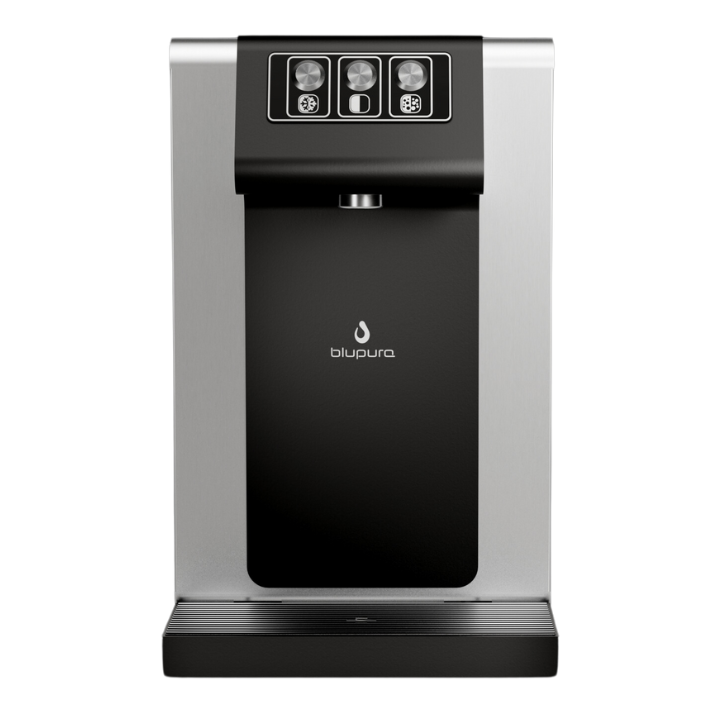
Water is essential to life — it makes up a large portion of your body and plays a role in nearly every bodily function. But does the quality of the water you drink actually matter? The answer is yes: the safety and purity of your drinking water can influence your health in both short‑ and long‑term ways. Let’s break down what water quality means and why it matters. Why Water Quality Matters for Your Health 1. Water Safety and Contaminants Drinking water can sometimes carry harmful germs or chemicals if it’s not properly treated or if contamination happens along the distribution system. When water contains unsafe levels of contaminants, it can cause illnesses ranging from stomach cramps and diarrhoea to more serious long‑term health issues. 2. Everyday Health Benefits of Clean Water Staying well‑hydrated with good‑quality water supports your health in many ways: Helps regulate body temperature Keeps joints lubricated and organs functioning Supports digestion and nutrient absorption May reduce the risk of kidney stones and urinary issues Can improve concentration and energy levels Hydration is key for both mood and physical performance While drinking plenty of water won’t magically cure conditions, adequate hydration plays a vital role in overall wellbeing. 3. What “Quality” Means in Drinking Water Water quality isn’t just about taste — it’s about safety and purity. Quality water should be free from harmful bacteria, viruses, heavy metals, and excessive chemicals. In many places, municipal tap water is treated and regularly tested to meet health standards, but quality can still vary depending on source and piping. Factors That Affect Water Quality Source of Water:Water drawn from lakes, rivers, or underground sources may contain different minerals or naturally occurring contaminants. Treatment Process:Municipal water systems use filtration, chlorination, and other methods to remove pathogens and chemicals. However, leftover contaminants can sometimes persist depending on infrastructure and local conditions. Home Delivery:Even after water leaves the treatment plant, the pipes and environment it travels through (like aging plumbing) can affect quality by introducing sediments or odors. How to Improve Your Drinking Water Quality at Home Many people choose to invest in water filtration or dispensing systems that deliver cleaner, safer, and tastier water right from their sink or counter. These systems can remove unwanted contaminants, offer temperature control, or even provide sparkling water options. One popular solution that combines style, quality, and convenience is the Blupura range of professional‑grade water dispensers available at Appliances SG. Blupura Water Dispensers for Quality Drinking Water Here are some top water dispenser options that bring quality, convenience, and style to your home or workspace: Blupura Rubinetto T‑Flow A sleek, contemporary dispenser that pairs a professional‑grade under‑counter unit with a minimalist tap design. Delivers chilled, ambient, and sparkling water with controlled flow — perfect for modern homes or office setups. Stable cooling ensures consistently fresh water at every pour, while the self‑closing system makes for easy and efficient use. Blupura BluGlass Tower Super Hot Fizz A premium water dispensing solution with temperature versatility and stylish tower design. Perfect where both hot and carbonated water are needed — for everything from tea and coffee to fizzy refreshments. Italian engineering ensures hygiene and reliability suited for busy households or hospitality settings. Blupura BluSoda Hot 30 Fizz A compact, elegant choice for those seeking multiple water options — cold, ambient, sparkling, and hot — all in one dispenser. Built‑in UVC LED sterilisation and treated internal pipes help maintain clean water output, making hydration both enjoyable and reassuring. Benefits of Using a Quality Water Dispenser Cleaner, Tasty Water: Filtration and sterilisation help reduce impurities and improve taste. Temperature Flexibility: Instant access to chilled, ambient, hot, or even sparkling water. Convenience: No need for separate boiling or refrigeration steps — just dispense and drink. Encourages Hydration: Easy access leads to better daily water intake habits. So yes, the quality of the water we drink does matter. High‑quality water supports vital bodily functions, helps prevent dehydration‑related issues, and can shield you from harmful contaminants that may affect health. Whether you drink from the tap, bottled water, or a home dispenser, prioritising safe and clean drinking water is a smart choice. If you want both convenience and quality, investing in a premium water dispenser like a Blupura model can be a great way to ensure your household enjoys fresh, filtered water every day. Ready to upgrade your hydration setup? Explore the full range of Blupura water dispensers at Appliances SG and find the perfect solution for your home or office.