




Discover the Appliances SG Family






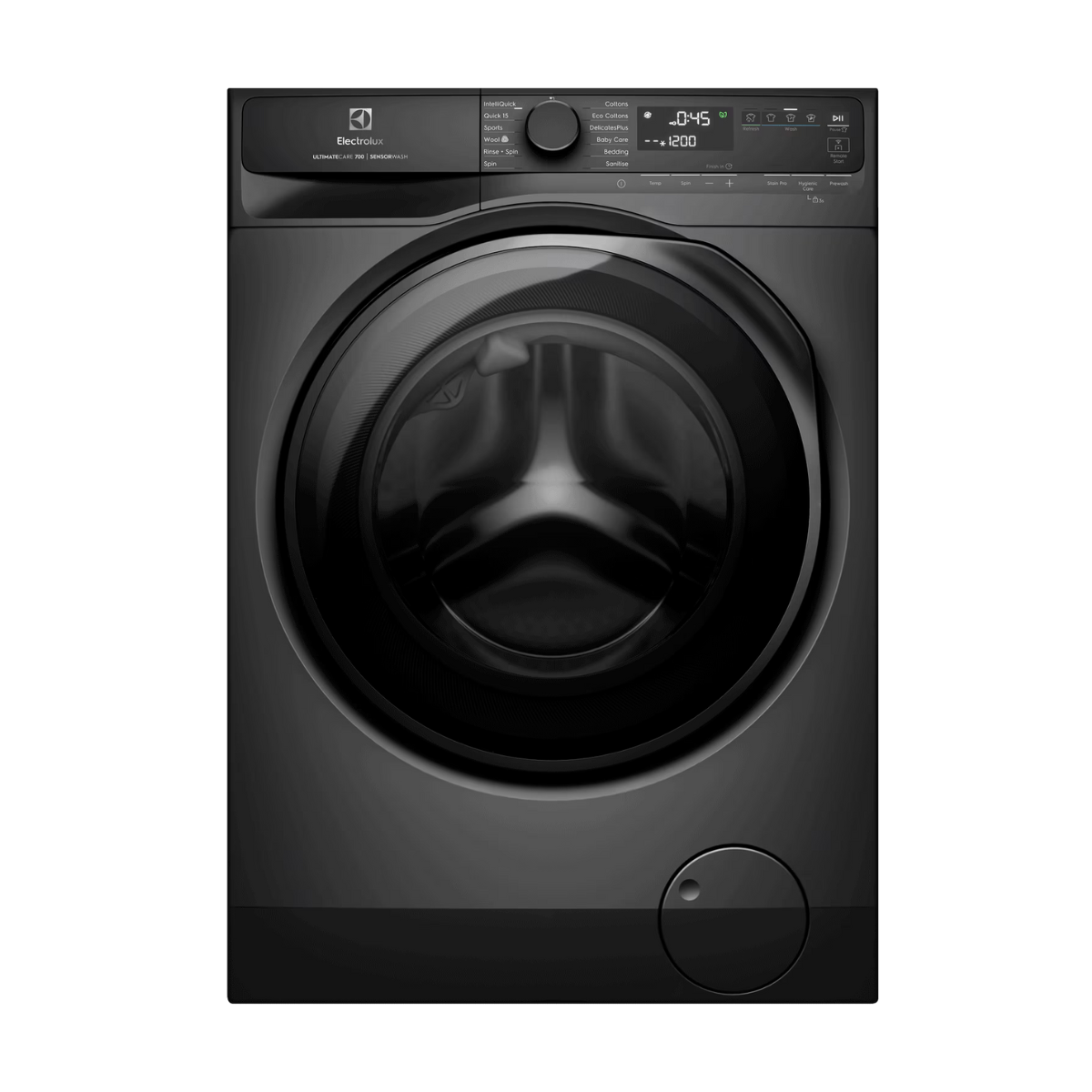
11/7kg Electrolux UltimateCare 700 Washer Dryer
Designed to simplify laundry while keeping your clothes fresh and protected. With intelligent care technology and energy efficiency, it’s the perfect all-in-one solution for modern homes.
SensorWash helps remove up to 53 stains.
King-sized duvet* treated and dried in 60 mins.
DelicatesPlus provides gentle care for delicates.





Best Sellers
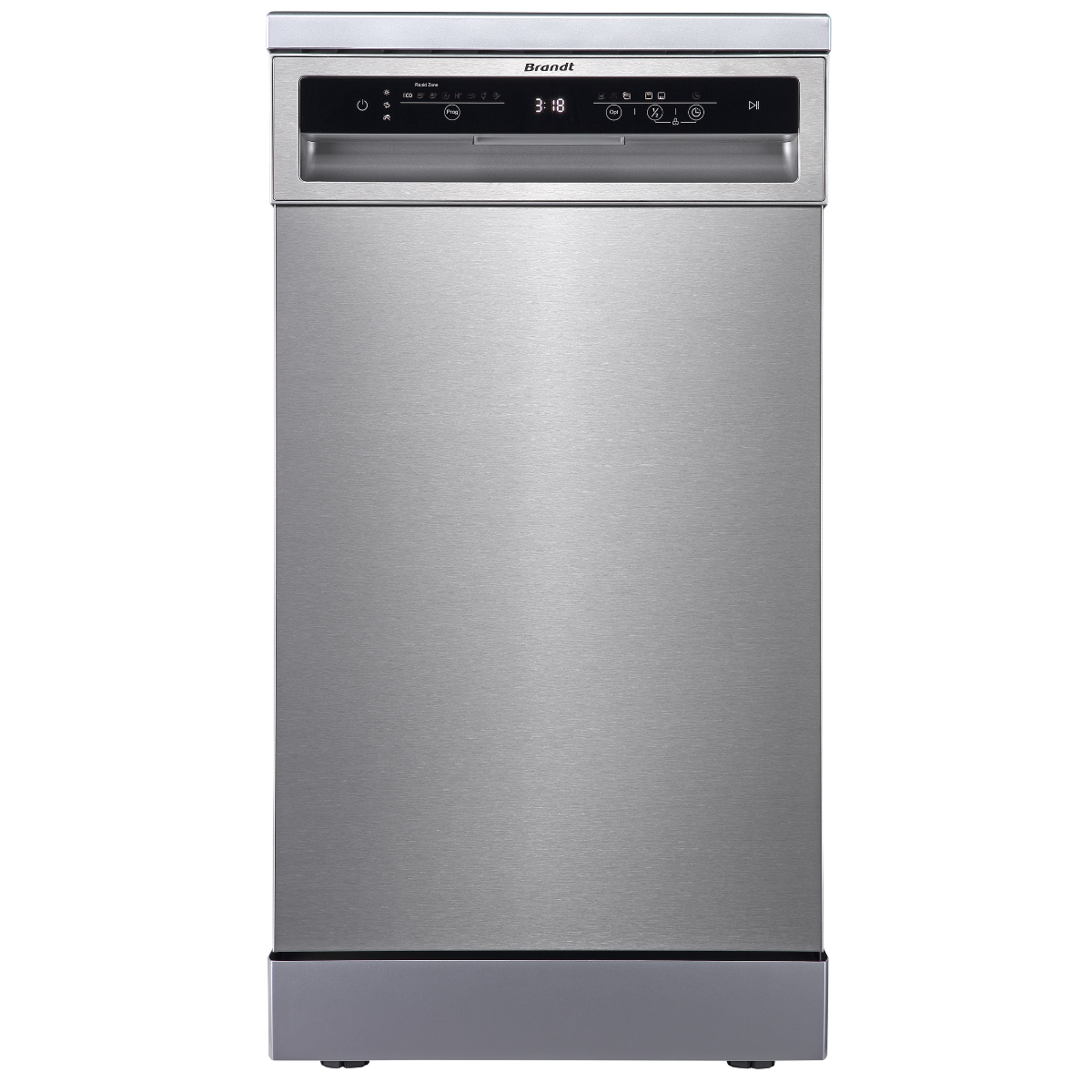
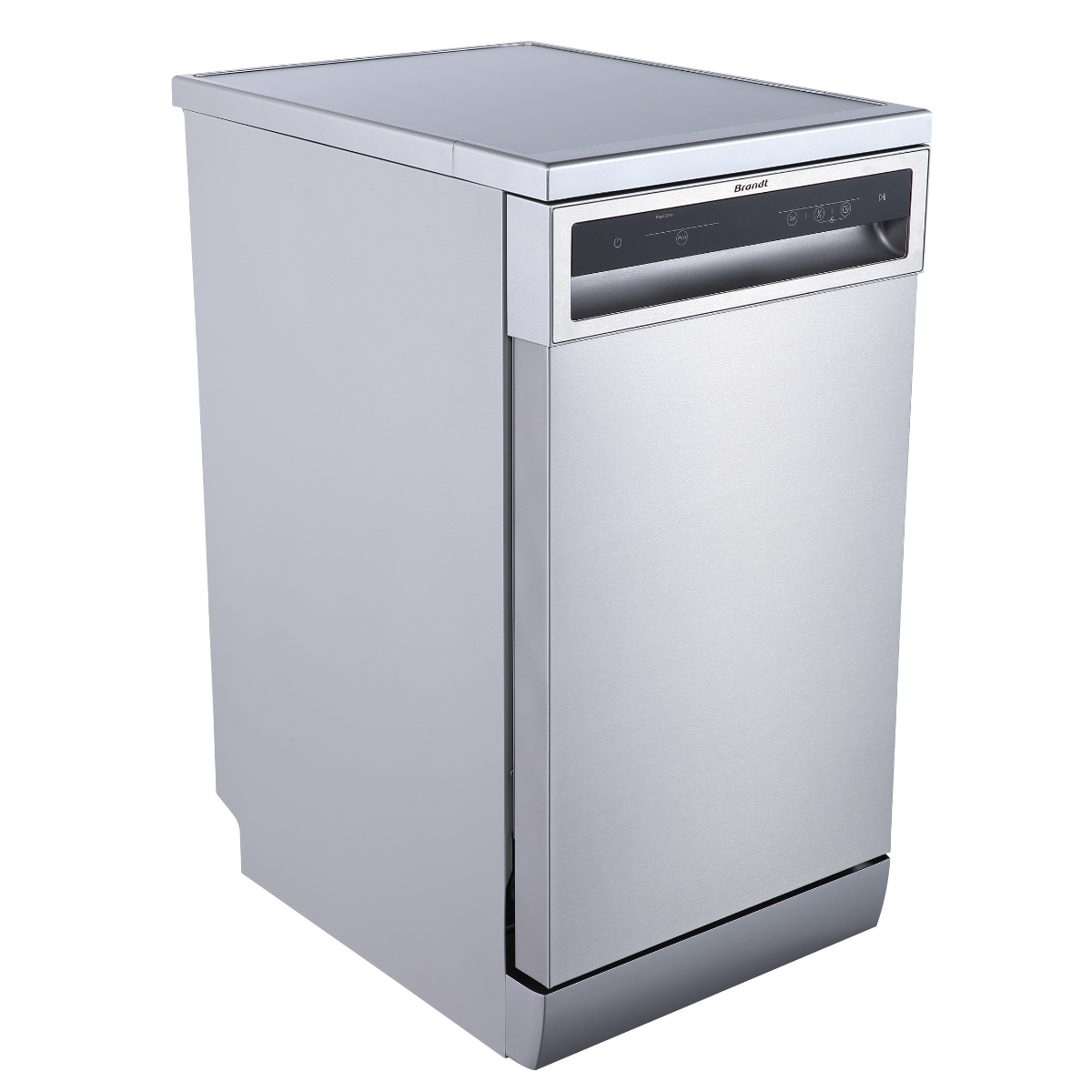
Brandt BDF3024DX - 45cm Free Standing Dishwasher
Choose your option


EuropAce By Otimmo EDY5801B - 8kg Front Load Dryer
Choose your option


Brandt BT5831QA - 8kg Top Load Washing Machine
Choose your option
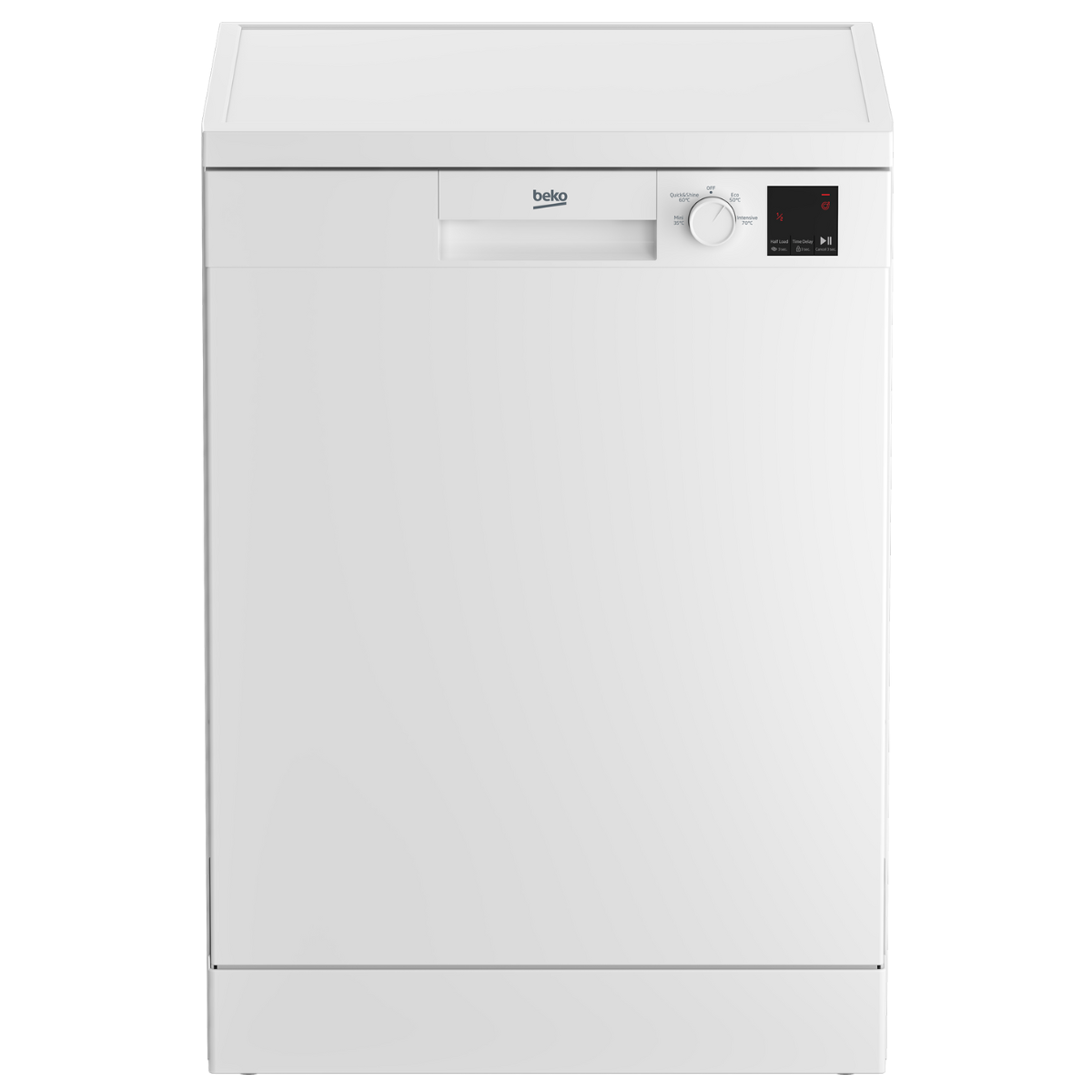
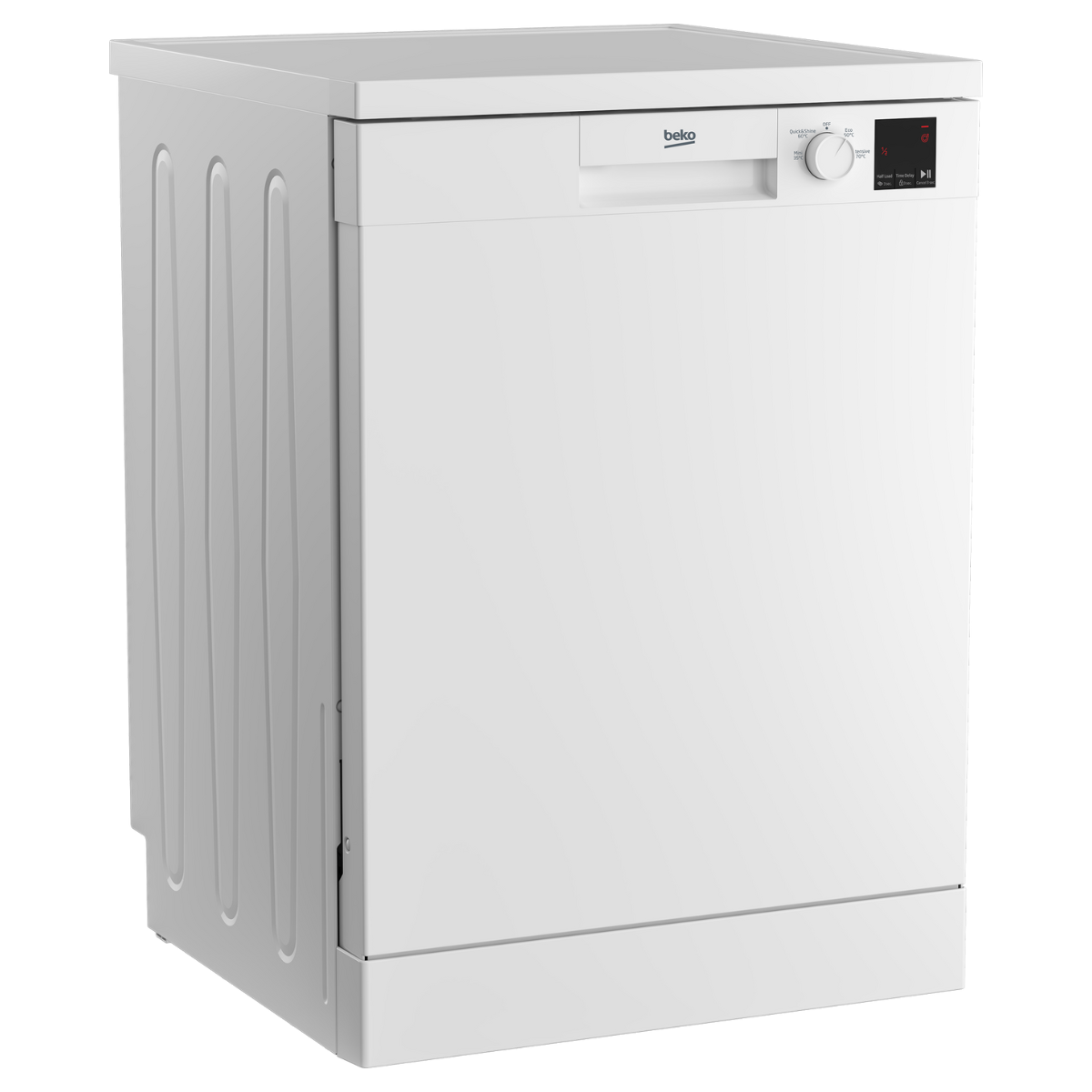
Beko DVN04X20W 60cm Freestanding Dishwasher White
Choose your option


Electrolux EFC3862MS 55cm Freestanding Dishwasher 2 Ticks
Choose your option

Blutron Ultra 10K
Choose your option


Brandt BT57028QA - 7kg Top Load Washing Machine
Choose your option
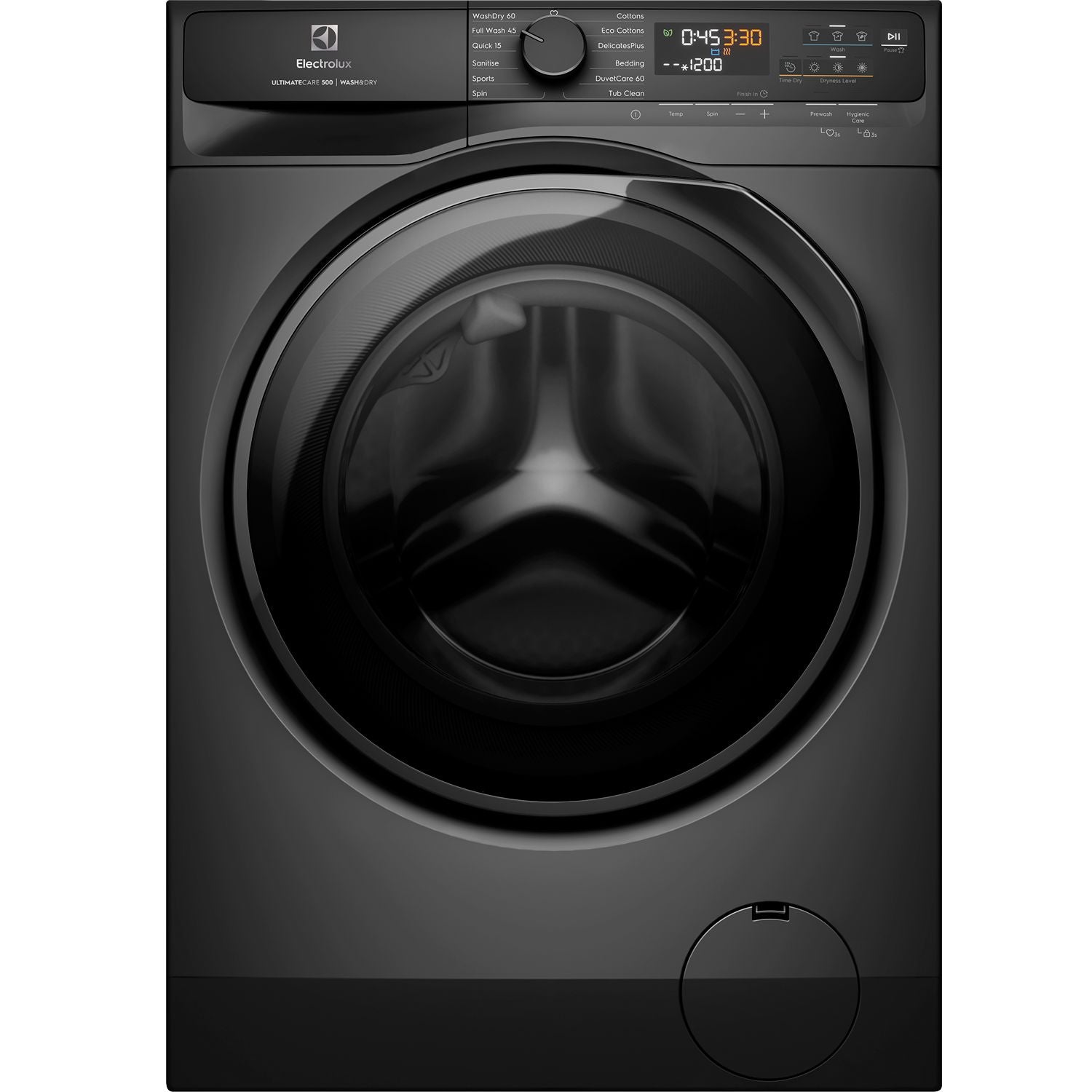
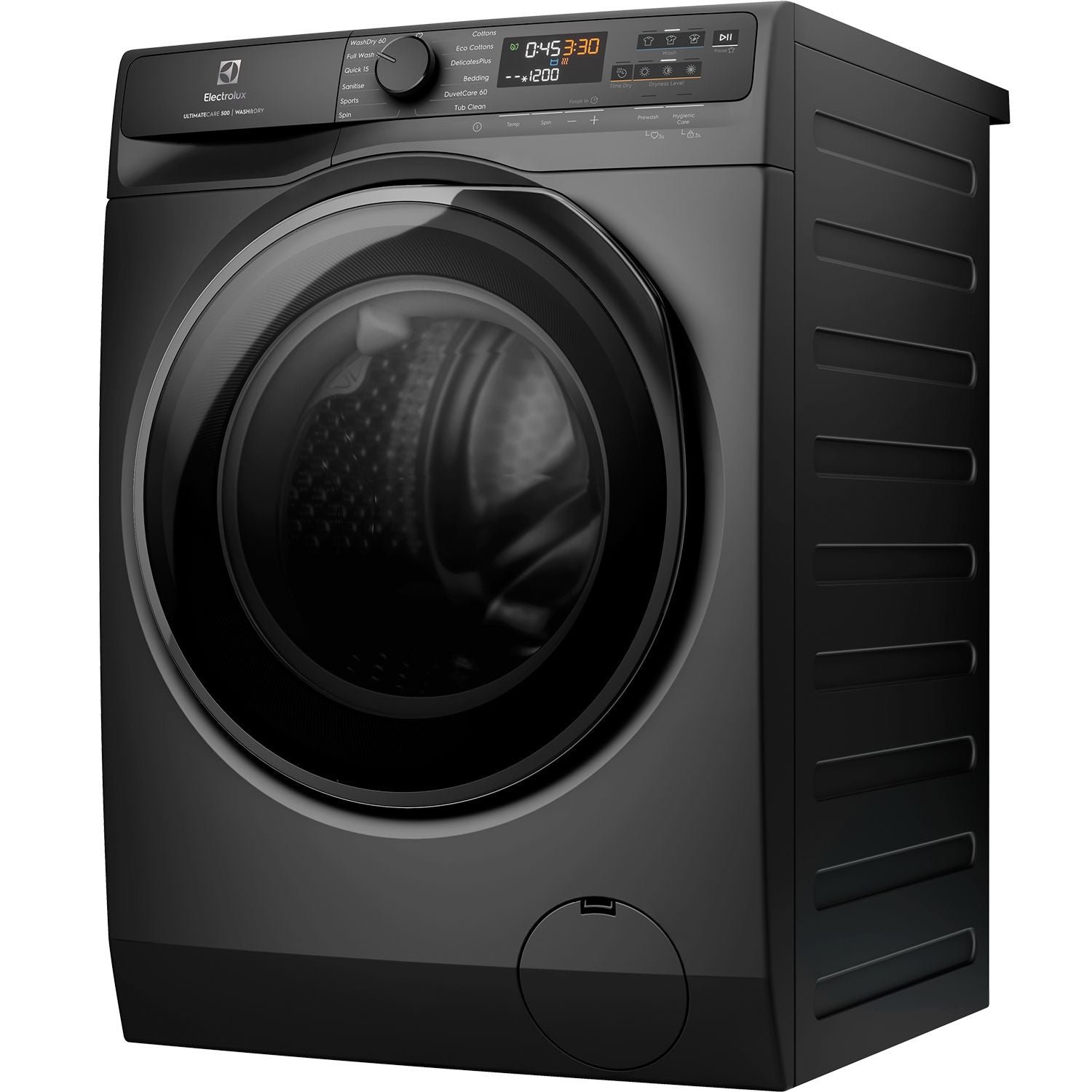
Electrolux EWW1023P5SC 10/7kg Front Load Washer Dryer
Choose your option

Blog posts

Powder, Liquid, Pods or Sheets: Which Laundry Detergent Should You Use?
Walk down the detergent aisle and you'll find the same basic product in four completely different formats. They don't all perform the same way, and — especially if you're running a front-load HE washer, as most Singapore households do — the format you pick affects everything from cleaning power to how much residue builds up in your machine. Powder detergent Best for: heavily soiled loads, budget-conscious households, hot water washes Powder is the most cost-effective format per load and tends to have more eco-friendly packaging than liquid or pods. It's formulated at a slightly higher pH than liquid detergent, which gives it an edge on heavily soiled items like sports kit, work clothes, or anything with mud or grass stains. Because you're measuring it yourself rather than using a pre-dosed pod, you also have direct control over exactly how much goes in. The trade-off: powder doesn't dissolve as reliably in cold water or short wash cycles, and undissolved granules can leave a gritty residue on dark fabrics. It also needs to be kept dry — a damp laundry area or humid storage cupboard will clump it over time. Liquid detergent Best for: everyday use, cold-water washes, stain pre-treatment Liquid is the most versatile all-rounder, which is why it's the format most laundry experts default to recommending. It dissolves quickly and completely regardless of water temperature, rinses cleanly, and — uniquely among the four formats — can be applied directly onto a stain before washing, which makes it useful as a spot-treatment as well as a detergent. The trade-off: it's typically more expensive per load than powder, and because it's easy to free-pour rather than measure precisely, it's the format most associated with overdosing — which, in an HE front-loader, is also the leading cause of detergent residue buildup and musty smells (see our washing machine cleaning guide if that's already an issue). Pods / capsules Best for: convenience, consistent normal-sized loads, avoiding measuring altogether Pods remove the guesswork entirely — one pod is calibrated for a standard load, so there's no scooping, no pouring, and effectively no risk of the kind of overdosing that's common with liquid or powder. They're compact, mess-free, and store easily. The trade-off is exactly that fixed dose: a pod doesn't scale down for a small load or up for a heavily soiled one the way liquid or powder can, so you either accept some inefficiency on light loads or add a second pod for very large ones (check your specific product's guidance before doing this — doubling up isn't always the right call). Pods are also the most expensive format per load, don't always dissolve well in cold water, and need to be kept well out of reach of children and pets — their bright, candy-like appearance has made accidental ingestion a genuine safety concern. Detergent sheets Best for: small households, minimal storage space, cutting down on plastic packaging The newest format on the shelf: thin, dissolvable sheets, usually plant-based, that come in compact cardboard packaging rather than a plastic bottle or tub. They're lightweight, take up almost no storage space, and are a genuinely lower-plastic option compared to liquid bottles or pod tubs. The trade-off is real: independent testing has consistently found detergent sheets clean less effectively than liquid, powder, or pods, particularly on tougher stains and in shorter or cooler wash cycles. They're a reasonable choice for lightly soiled everyday loads if minimising plastic matters to you, but not a like-for-like replacement if you're regularly washing heavily soiled laundry. Quick comparison Format Cost per load Best for Main drawback Powder Lowest Heavily soiled loads, hot washes Can leave residue in cold water Liquid Moderate Everyday use, stain pre-treatment Easy to overdose Pods Highest Convenience, standard loads Fixed dose, poison-control risk with kids/pets Sheets Moderate Small loads, minimal packaging Weakest overall cleaning power

How to Clean Your Washing Machine (Yes, It Needs Cleaning Too)
It sounds backwards — the appliance that cleans everything else also needs cleaning itself — but a musty smell in your laundry, or a sour towel straight out of the machine, is almost always the washer, not your detergent. Here's what's actually going on, and the routine that fixes it. Why front-load washers smell musty Most washing machines sold in Singapore today are front-load, high-efficiency models, and their design is exactly why they're more prone to smell than old top-loaders. The rubber door gasket traps moisture and detergent residue in its folds, and a sealed drum that never fully dries out between loads becomes exactly the damp, dark environment mould and mildew need. Add detergent or fabric softener residue building up in the dispenser drawer, and you've got the classic combination behind almost every "why does my washer smell" complaint. The good news: this is almost entirely a maintenance and habit issue, not a machine fault, and it's genuinely easy to prevent. The full clean (do this once, then repeat monthly) 1. Clean the door gasket. This is the single biggest source of odour, so start here. Pull back the rubber folds — this is where debris, hair, coins, and mould most often hide. Wipe thoroughly with a cloth dipped in a mix of equal parts water and white vinegar, or a mild bleach solution, then scrub any visible mould spots with a soft brush. Dry the area with a clean towel afterward. 2. Wash the detergent dispenser drawer. Remove it completely — most slide out with a firm pull and a release catch. Rinse under warm water and scrub the corners and compartments with an old toothbrush to clear out caked detergent and softener residue, which is a common hidden source of bacteria being recirculated into your next wash. Dry before reinserting. 3. Wipe the drum and door window. A general-purpose cleaner (ammonia-free, if wiping the glass) is enough for the drum interior and the inside of the door. 4. Run an empty hot cleaning cycle. Add about half a cup of baking soda directly into the drum (not the dispenser, where it can clump) and run the longest, hottest cycle your machine has — many front-loaders have a dedicated "drum clean" or "tub clean" setting for exactly this. For a deeper clean or if odour persists, follow up with a separate empty cycle using 2 cups of white vinegar in the drum, or a dedicated washing machine cleaner tablet. 5. Clean the drain pump filter. Most front-loaders have a small access panel near the bottom front of the machine. Place a shallow tray or towel underneath (some residual water will drain out), twist the filter counter-clockwise to release it, and clear out any lint, coins, or debris trapped inside. This filter genuinely accumulates more than most people expect — it's worth checking every few months even without an obvious smell. Daily habits that prevent the problem entirely Leave the door open after every load. Closing the door immediately traps moisture inside and is the single biggest contributor to mould growth. Leave it ajar for at least an hour, or until the drum is dry. Wipe the gasket dry after each wash. A quick pass with a dry cloth takes seconds and prevents residue from building up between deep cleans. Don't overdose your detergent. This is the other half of the smell problem, and it's the one most people don't connect to odour at all — using more HE detergent than needed leaves residue behind that the low-water cycle can't fully rinse out, and that residue is exactly what feeds mould and mildew over time. If you're not sure how much to use, our detergent dosing guide covers the right amount by load size and detergent type. Skip liquid fabric softener if odour is a recurring issue. It leaves a film that mould can cling to more readily than detergent alone; dryer balls or sheets are a lower-residue alternative if softness matters to you. Run a maintenance cycle monthly, even with no visible smell — baking soda or a commercial washer-cleaner tablet, on an empty hot cycle, is enough to stay ahead of buildup rather than fixing it after the fact. If the smell won't go away If you've done a full clean and the musty smell persists, check the drain hose — it should only sit 6 to 8 inches into the wall drain pipe. Inserted too far, it can siphon foul-smelling wastewater back toward the machine, which mimics a "dirty washer" smell that no amount of cleaning the drum will fix. This is also a good point to check whether your machine is sitting level — an unlevel washer can trap water in low points of the drum that never fully drains between cycles. Shopping for a machine with better mould resistance Some newer front-load washers include features specifically aimed at reducing mould and odour — self-clean or steam-sanitise cycles, auto-open doors after a cycle ends, and improved drainage design. If odour has been a recurring frustration with an older machine, it's worth checking for these features when you're due for a replacement. Front load washing machines — browse current models, including steam and self-clean options

How Much Laundry Detergent Should You Actually Use?
Most people overdose their laundry detergent — not by a little, but often by two to three times what's actually needed. It's an easy mistake to make: the cap is designed to hold far more than a normal load requires, so filling it "properly" is usually already overdoing it. Here's the actual amount, and why less genuinely does clean better. The short version Most washing machines sold in Singapore today are front-load, high-efficiency (HE) machines — they use far less water per cycle than old-style top-loaders, which means they also need far less detergent. For a standard load in an HE front-loader: Liquid detergent: 1–2 tablespoons (15–30ml) for a normal load Powder detergent: roughly 20–30g for a normal load Pods/capsules: exactly one pod, regardless of load size If your washer's detergent drawer or the bottle cap suggests noticeably more than this, it's worth measuring rather than trusting the line — a lot of detergent caps are printed generously, and "maximum load" markings are often still more than a genuinely full load needs. Why HE machines change the math Front-load washers use significantly less water than a traditional top-loader, so the same dose of detergent becomes far more concentrated. Using regular (non-HE) or too much detergent in an HE machine produces excess suds, which the machine then has to work harder to rinse out — that's the direct cause of the sour smell, stiff towels, and musty drum that a lot of front-load owners eventually complain about. It's rarely a machine fault; it's almost always a detergent dosing issue. Only use detergent labelled HE (high-efficiency) in a front-load machine. Regular detergent isn't formulated to be low-sudsing, and using it in an HE washer will oversuds a load even at what looks like a normal dose. Adjusting for load size and soil level Small load (a few days' worth for one person): drop to the minimum — around 1 tablespoon liquid or 15g powder. Standard full load: the baseline above — 1–2 tablespoons liquid, 20–30g powder, or one pod. Large or heavily soiled load (bedding, towels, gym kit, muddy or greasy clothing): the higher end of the range, up to about 2 tablespoons liquid or 3 tablespoons powder. Still don't exceed the pack's maximum — a heavily soiled load benefits more from a hotter wash or a pre-soak than from extra detergent. Water hardness in Singapore Hard water needs more detergent to work properly, since dissolved minerals interfere with the surfactants that actually lift dirt. Singapore's PUB-supplied tap water sits on the softer end of the spectrum compared to many countries — so if you've relocated here and are still dosing detergent the way you did back home, you can very likely scale down toward the lower end of the ranges above without losing any cleaning performance. Signs you're using too much Stiff, scratchy, or sour-smelling towels and clothes — usually leftover detergent residue trapped in the fabric. Visible suds left in the drum after the cycle ends. A musty smell from the machine itself, even when it's empty — a sign of detergent and moisture buildup that can take a maintenance cycle (a hot empty wash with washing machine cleaner) to clear. Reduced spin efficiency — excess foam interferes with the spin cycle's ability to extract water properly. If you're seeing any of these, the fix is almost never a different detergent — it's simply less of the one you're already using. If you're shopping for a machine For most Singapore households, a front-load HE washing machine in the 7–9kg range covers a typical family's laundry without oversizing the appliance for an HDB or condo utility area. Front load washing machines — the standard choice for most Singapore homes Full washer collection — including top-load options for larger households